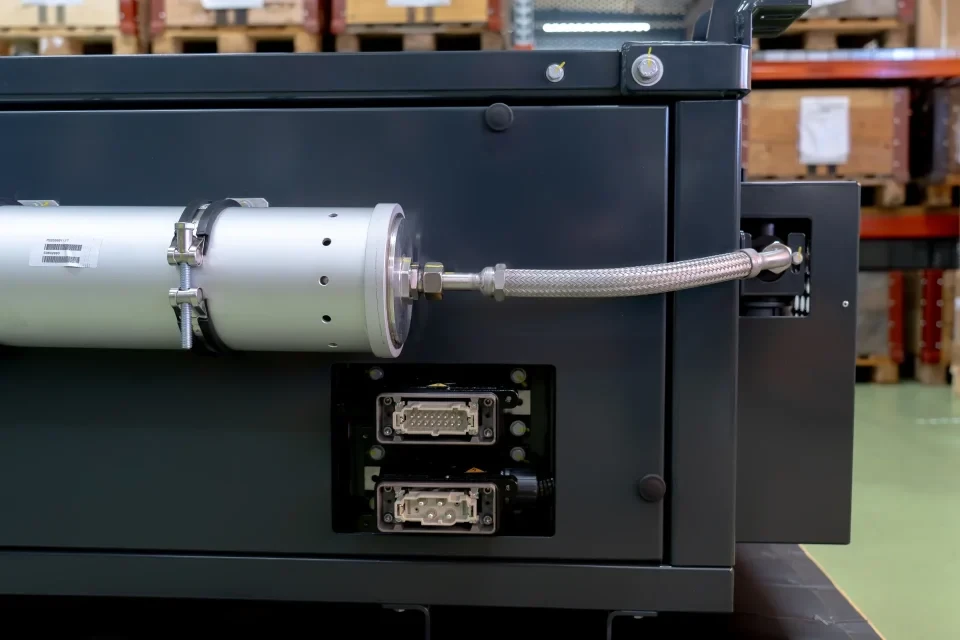
Compressed Air Systems for Rail Vehicles
In partnership with Atlas Copco, Tibram offers a comprehensive range of services for new installations and retrofits: design, assembly, commissioning, and after-sales service. These solutions come into play when a railcar comes to a smooth stop or a commuter train opens its doors.
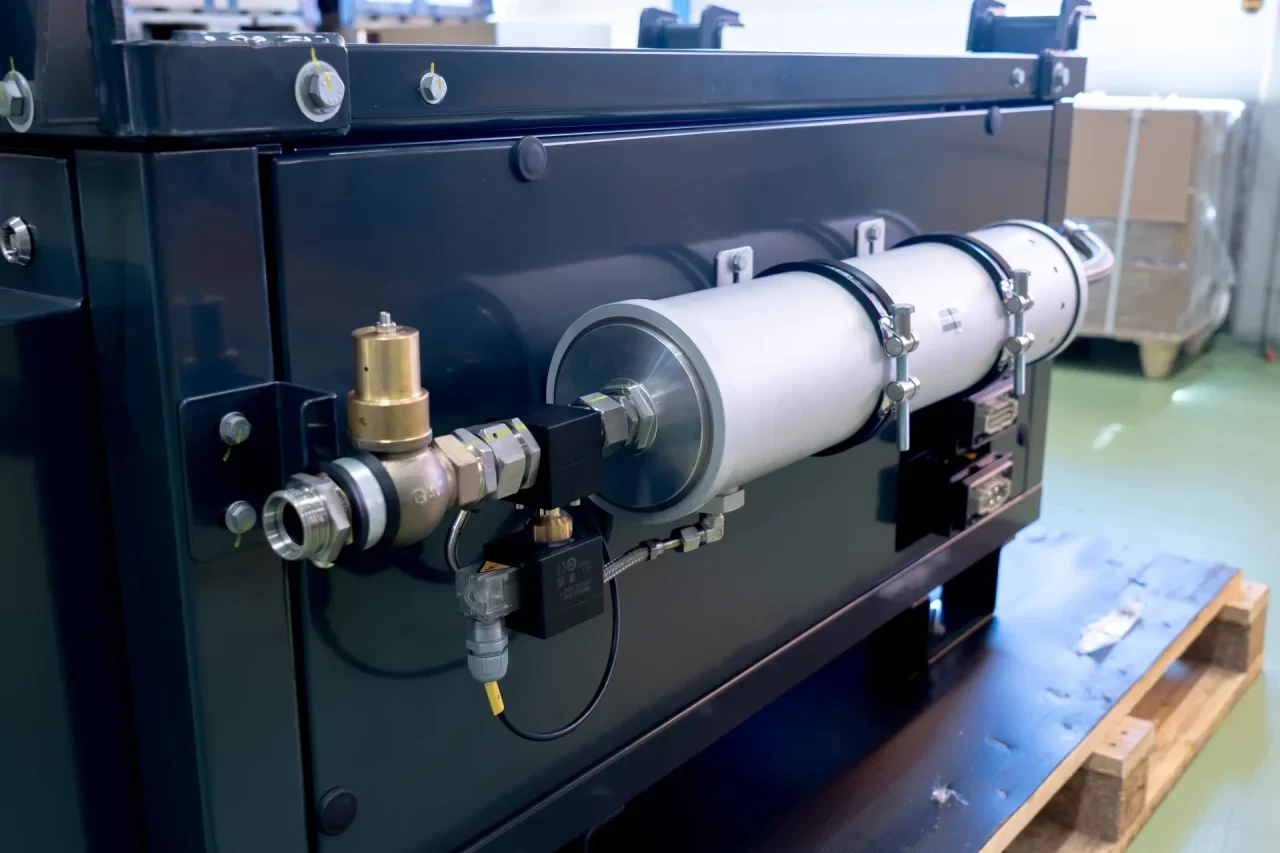
The compressed air system that must operate in the vehicle
In addition to the brakes and doors, the pantograph and automatic coupler also operate using compressed air. This must be available at all times and of consistent quality during rail operations; otherwise, the rail vehicle system cannot operate safely.
The range
Auxiliary compressors for large-scale facilities serving locomotives and railcars: an overview of our services.
| Type of installation | Power-range | Application |
|---|---|---|
| Auxiliary compressor | 24/36/110 VDC | Compact compressed air system for auxiliary functions |
| Oil-free machines | within the 5 kW range | stricter air quality standards |
| Large machines | in the 30 kW range | Supply of rail vehicles and locomotives |
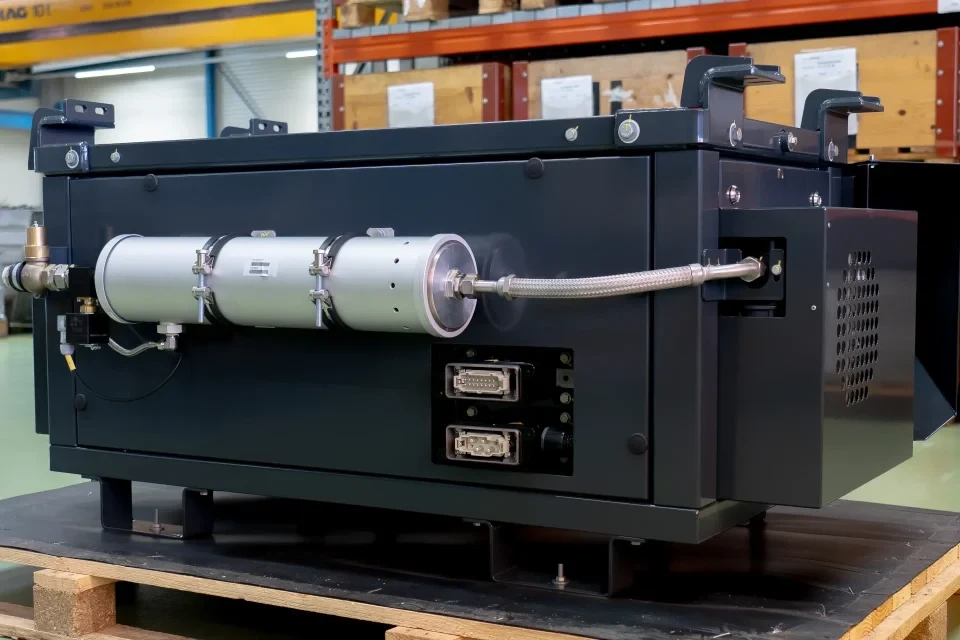
New machines
Fully designed and integrated into the vehicle.
For new installations, Tibram handles the entire process—design, assembly, and commissioning—and adapts the system to the specific conditions of the vehicle. The company uses fully assembled Atlas Copco units, which it designs and integrates.
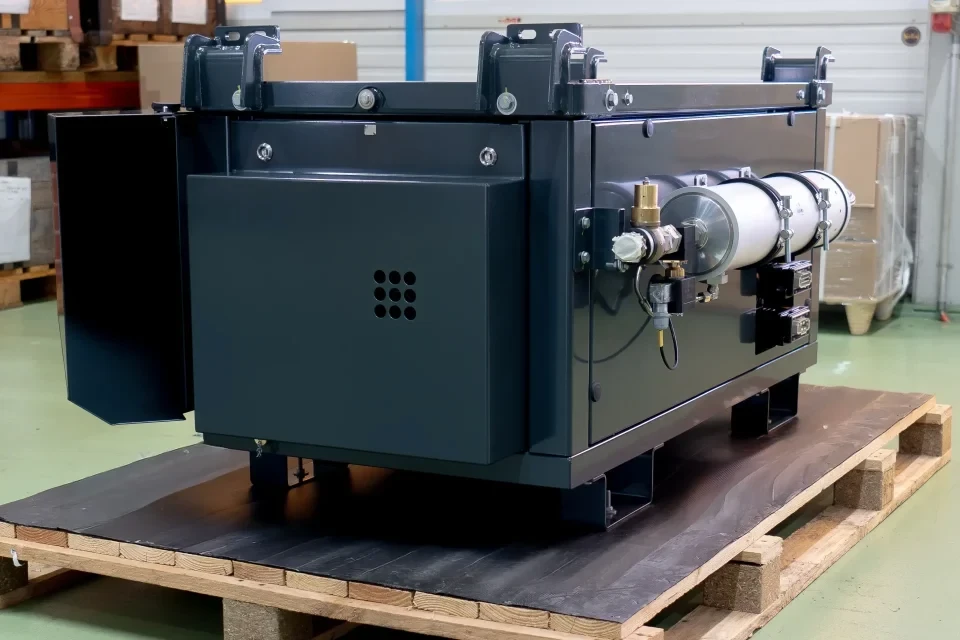
Retrofits
Renovate existing compressors rather than replace them.
One of Tibram’s areas of expertise is the renovation and retrofitting of existing compressed air systems, including installation and commissioning directly on the vehicle. This allows the vehicle to remain in service, improves the quality of the compressed air, and ensures the system meets new requirements.
- Increased power – optimizing systems without altering the vehicle’s structure
- Compressed air drying – Removal of moisture from the produced air.
- Dew Point Control – Ensuring compressed air quality even at low temperatures.
- Acoustic and sound insulation – acoustic improvement of existing facilities.